We can't find the internet
Connecting..
Something went wrong!
Hang in there while we get back on track
Search by City or Zip
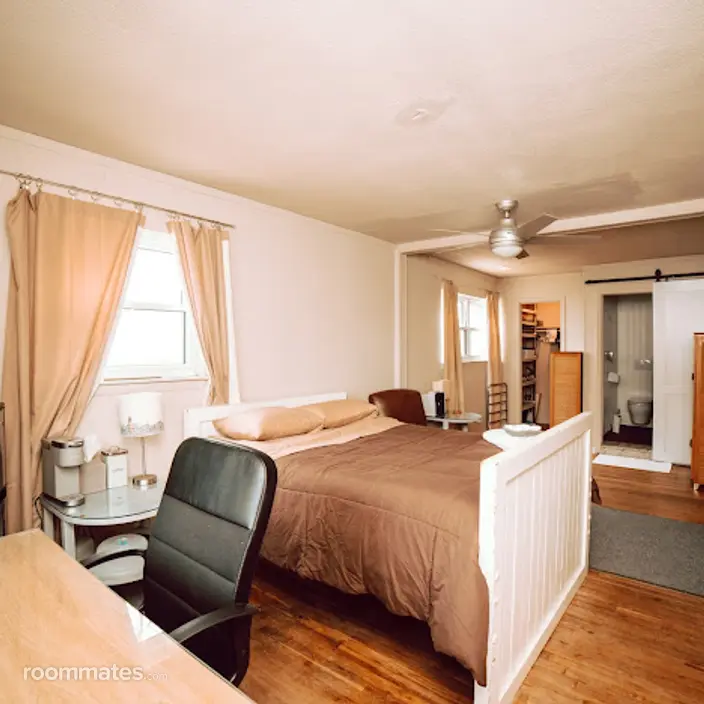
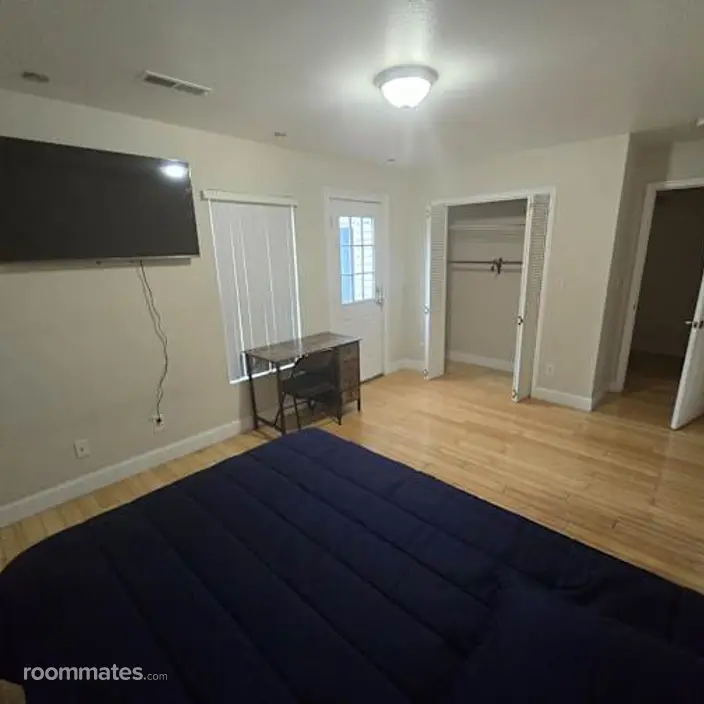
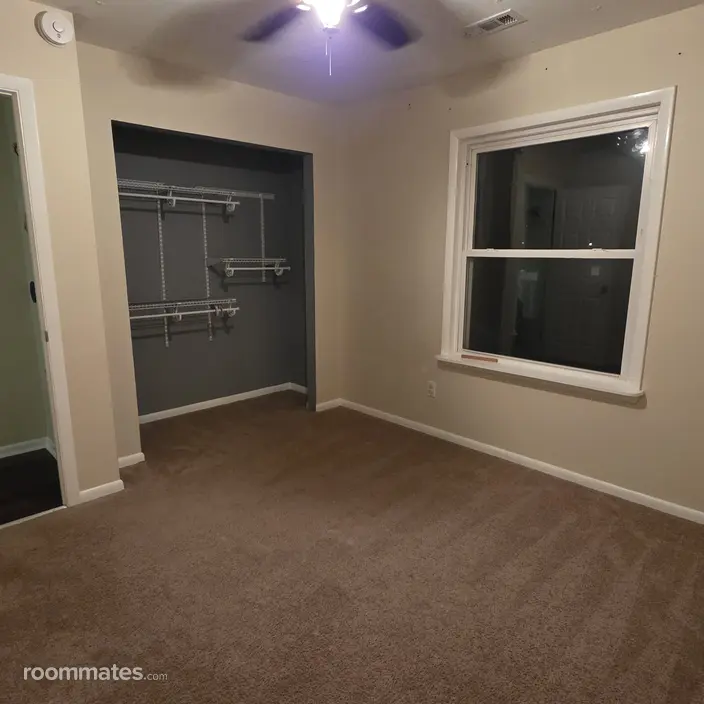
Rooms for Rent in Chesapeake, VA



Life in Chesapeake, VA
- Moving to Chesapeake
- Things to Know Before Moving to Chesapeake
- Pros & Cons of Living in Chesapeake
- Pros of Living in Chesapeake
- Cons of Moving to Chesapeake
- Frequently Asked Questions about Moving to Chesapeake
- Thinking About Moving to Chesapeake?
Moving to Chesapeake
Chesapeake, Virginia is the kind of city that surprises you. With a population of around 250,000, it's one of the largest cities in Virginia by both population and land area — yet it has the feel of a well-kept secret. Formed in 1963 from the merger of Norfolk County and the City of South Norfolk, Chesapeake stretches from urban shopping corridors to farmland to the edges of the Great Dismal Swamp. It's where Hampton Roads residents go when they want more space, better schools, and lower housing costs without leaving the metro area. This guide covers what you need to know about making the move.
Here's what we'll cover:
Why is Everyone Moving to Chesapeake, VA?
Things to Know Before Moving to Chesapeake, VA
The Pros and Cons of Living in Chesapeake, VA
Moving to Chesapeake, VA FAQ's
Thinking About Moving to Chesapeake, VA?
Things to Know Before Moving to Chesapeake
Before moving to Chesapeake, VA, understand that this is a geographically sprawling city with distinct areas that feel like different towns. Greenbrier is the commercial hub — a well-developed area with shopping centers, restaurants, and newer apartment complexes that functions as the city's de facto downtown. Western Branch is a residential favorite with established neighborhoods and good schools. Deep Creek, in the southern part of the city, offers a more rural, small-town atmosphere. And the Great Bridge area blends suburban convenience with easy access to both Norfolk and Virginia Beach.
Housing in Chesapeake is one of its strongest selling points. A one-bedroom apartment runs roughly $1,100 to $1,500 per month, with many options in newer complexes that include amenities like pools and fitness centers. Homes are more affordable here than in Virginia Beach or Norfolk, and you get noticeably more space for your money. Splitting rent with a roommate can bring your share to $600 to $800 — making it one of the most affordable options in Hampton Roads.
The job market in Chesapeake benefits from its central location in the metro area. Military bases in Norfolk and Virginia Beach are a short commute away, and Dollar Tree's corporate headquarters is based here. Healthcare, logistics, and retail round out the employment picture. The climate mirrors the rest of Hampton Roads — mild winters, warm summers, and enough green space to make the outdoors a year-round option.
Pros & Cons of Living in Chesapeake
Pros of Living in Chesapeake
Most Affordable Housing in Hampton Roads
Excellent Public Schools
Central Location with Easy Metro Access
Space and Nature Access
Safe, Family-Oriented Community
Cons of Moving to Chesapeake
Thoroughly Car-Dependent
No Real Downtown or Urban Center
Limited Entertainment and Nightlife
Suburban Sprawl and Generic Feel
Frequently Asked Questions about Moving to Chesapeake
Thinking About Moving to Chesapeake?
If you're considering a move to Chesapeake, VA, think about what balance of convenience and space works for you. Greenbrier puts you close to shopping, dining, and major highway access — it's the most urban-feeling part of Chesapeake. Western Branch is ideal for families or anyone who wants established neighborhoods with good schools. Deep Creek and the southern reaches offer genuinely rural living within city limits, with proximity to the Great Dismal Swamp National Wildlife Refuge for hiking and kayaking. Using Roommates.com will help you connect with people already living in Chesapeake and find a roommate who shares your priorities — whether that's a short commute to base or a quiet neighborhood with a yard.
Roommates.com is the smart, simple, safe way to bring roommates together. Millions have used Roommates.com to find their perfect roommate. Sign up for free to get started today!
Why Use roommates.com?
Automated Matching
Find compatible roommates by preferences and lifestyle
Secure Messaging
Connect with others easily and safely, in one place
Personality and Lifestyle
Show off your interests, hobbies, and true self
We've been featured in:


Our Pricing
Check out our affordable membership options today!
Free Plan
Create a profile, send messages, browse profiles, explore the site! When you’re ready to take the next step, upgrade to a paid plan.
- Try Out The Site For Free
- View Complete Profiles
- Unlimited Messaging
- Free ID Verification
7-Day VIP Membership
Less than $1 per day.
Full access to messaging, matching, and all VIP features. A full-fledged member of the site.
- Auto-renewing
- View Complete Profiles
- Unlimited Messaging
- Free ID Verification
Monthly VIP Membership
Save 50%
from our 7-day plan.
All VIP features included.
Give yourself more time to find a roommate!
- Auto-renewing
- View Complete Profiles
- Unlimited Messaging
- Free ID Verification
6-Month VIP Membership
Save 78%
from our 7-day plan.
Save even more and get plenty of time to find the right room or roommate.
- Auto-renewing
- View Complete Profiles
- Unlimited Messaging
- Free ID Verification
1-Year VIP Membership
Save 84%
from our 7-day plan.
Less than $1 per week.
Perfect for property owners, travelers, and value seekers!
- Auto-renewing
- View Complete Profiles
- Unlimited Messaging
- Free ID Verification
All memberships automatically renew.
You may cancel anytime.

For over 25 years, Roommates.com has been connecting people across the USA looking for someone to live with. You can easily find a roommate or browse our list of rooms for rent and in just a few steps and you’ve got a roommate.
There are lots of benefits in having a roommate including: having more money, more time and more friends. Roommates.com is fast and secure; we offer ID verification to let members prove to others they are a real, verified person. Sign up today and list your room for rent, browse rooms for rent, or find a roommate.